Liposuction Michigan for Small Areas of Stubborn Fat
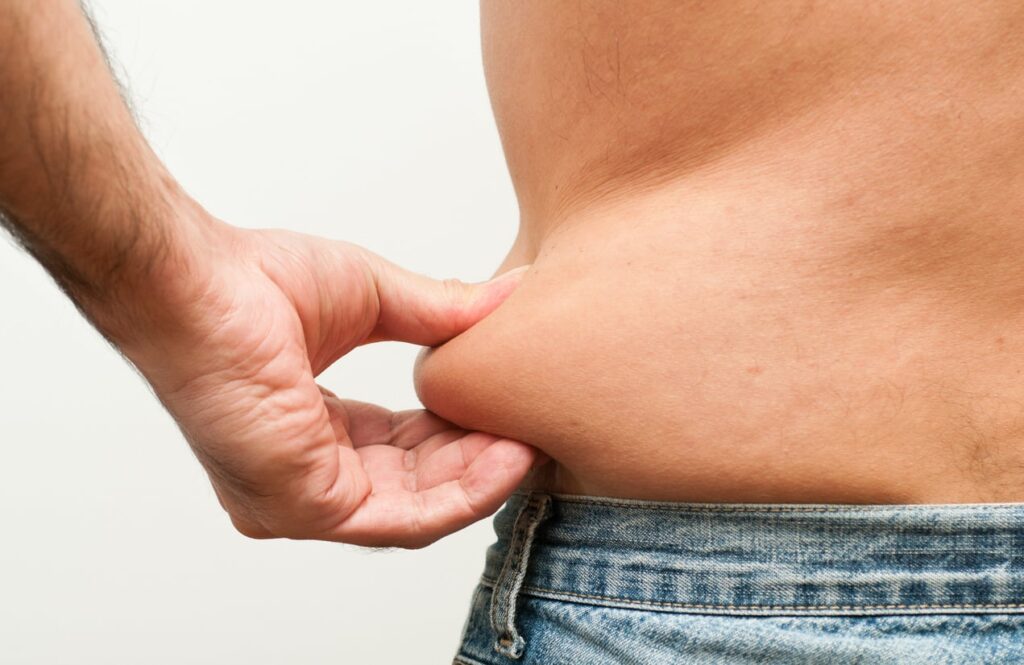
There is a specific kind of frustration that brings people into a consultation for body contouring. It is not usually about a major weight change or a dramatic transformation. More often, it is the pocket of fullness that never seems to respond, even after months of disciplined eating, regular workouts, and stable weight. The lower abdomen that softens the waistline, the small bulge at the bra line, the fullness under the chin that lingers in every photo, the outer thighs that hold onto volume no matter how strong the legs become. These are the concerns that make small-area liposuction such a practical discussion.
For patients considering Liposuction Michigan providers often see the same pattern. Someone is generally healthy, close to their goal weight, and realistic. They are not asking liposuction to replace weight loss. They want a more proportionate silhouette and relief from a problem area that has outlasted every reasonable effort.
That distinction matters. Liposuction is best understood as a contouring procedure. When used for small areas of stubborn fat, it can be one of the most targeted and satisfying procedures in aesthetic surgery. Liposuction Michigan It is also one of the most misunderstood. A lot of disappointment comes from poor candidate selection, vague expectations, or a mismatch between the area being treated and what liposuction can actually fix.
Why small-area liposuction appeals to so many patients
Small areas can create an outsized sense of dissatisfaction. A person may feel good in most clothing, maintain a healthy lifestyle, and still fixate on one spot that changes how garments fit or how they carry themselves. That is not vanity. It is often a practical issue. The little lower belly that catches in fitted pants, the fullness at the flanks that narrows wardrobe choices, or the under-chin fullness that makes the face appear heavier than it is can affect confidence daily.
From a surgical standpoint, small-area treatment can be appealing because it is more focused. The amount of fat removed is typically modest. The procedure time may be shorter than for larger contouring cases. Recovery can be more manageable, though it is still surgery and should never be treated casually. In the right patient, precise treatment of a limited area often creates a clean, noticeable improvement without changing the person’s overall look in an unnatural way.
That last point is important. Good liposuction does not announce itself. It restores balance. The result should make people think you look leaner, sharper, or more rested, not “operated on.”
What counts as a small area of stubborn fat
In real practice, “small area” does not mean the same thing for every body. A petite patient may consider a modest lower abdominal pouch a major issue, while someone else may focus entirely on the jawline. The category usually includes zones where localized fat remains despite stable habits and where the skin quality is good enough to redrape smoothly after fat removal.
Common examples include the area under the chin, the upper arms, the lower abdomen, the flanks, the bra line, the inner knees, and limited fullness of the inner or outer thighs. Some patients also ask about the small “banana roll” beneath the buttocks. That area can sometimes be treated, but it requires judgment because over-resection can disrupt the natural transition between the buttock and upper thigh.
The best candidates tend to have pinchable, localized fat with decent skin elasticity. If the concern is mostly loose skin, muscle separation, or generalized fullness from excess weight, liposuction alone may not deliver the result the patient imagines. This is where experience matters. A careful surgeon spends a great deal of time deciding not just whether fat can be removed, but whether doing so will actually improve the contour.
The areas that respond especially well
Under-chin liposuction is one of the most gratifying examples of small-area treatment. In the right patient, removing a relatively small amount of fat can sharpen the cervicomental angle, improve jawline definition, and make the face look more refined. Patients often underestimate how much the neck and chin area influence perceived age and profile balance. The caveat is skin quality. Younger patients or those with good elasticity tend to see the best retraction. If skin laxity or muscle banding is the primary issue, liposuction alone has limits.
The lower abdomen is another frequent request. This is especially common in people who are physically active but still carry a little fullness below the navel. For some women, this becomes more noticeable after pregnancy, though after pregnancy the lower abdomen may also involve skin looseness or rectus muscle separation. Those factors need to be separated during consultation because they change the recommendation. Liposuction can reduce fullness, but it does not repair stretched abdominal muscles and it does not remove significant excess skin.
Flanks respond well when the problem is truly localized fat rather than a broader torso contour issue. Even subtle reduction at the sides can make the waistline appear cleaner and help clothing fit better. It is a small adjustment with a surprisingly strong visual effect.
Bra line and upper back fullness can also improve nicely, especially in patients bothered by how certain tops or bras create visible bulging. These areas often do not change much with exercise because spot reduction is not a reliable physiologic process. Surgical contouring is often the direct fix.
What liposuction can and cannot do
A clear understanding of limits protects patients from regret. Liposuction removes fat cells from a targeted area. It does not tighten significant loose skin, treat cellulite in a predictable way, or produce meaningful weight loss. It can improve shape, but it does not substitute for healthy habits. If weight is gained later, the body can still store fat, sometimes in patterns that are less predictable than before.
That does not mean results are fragile. In a patient with a stable lifestyle, results can last for many years. But surgery works best when it refines what someone has already built through consistency. It is not a shortcut around that consistency.
One of the most common misconceptions is that more removal equals a better result. Experienced surgeons know the opposite is often true. Overaggressive treatment can create dents, waviness, asymmetry, or a skeletonized look that ages the body rather than improving it. Small-area liposuction is successful because it is measured. The goal is not to hollow out a zone. The goal is to create a smooth, natural transition from one area to the next.
The consultation is where the real decision gets made
Patients often come in focused on a single feature, but the consultation usually widens the lens. Someone may ask about lower abdominal fat, for example, and a good exam reveals mild skin laxity, a bit of postpartum muscle separation, and a small fat pocket. The best plan may still involve liposuction, but the patient needs to understand what part of the problem it will improve and what part it will not.
An effective consultation usually covers a few core questions:
- Is the concern truly localized fat?
- How elastic is the overlying skin?
- Is the patient’s weight relatively stable?
- Are expectations realistic and specific?
- Would another procedure, or no procedure, make more sense?
That conversation should feel honest, not sales driven. The strongest consultations include moments where the surgeon says no, or at least not yet. If a patient would benefit more from losing a modest amount of weight first, or if loose skin is the dominant issue, that should be stated plainly.
Technique matters more than many patients realize
Patients naturally ask about technologies, and there are several approaches used in liposuction today. Traditional suction-assisted techniques remain effective. Power-assisted liposuction can help with efficient fat removal and precision in fibrous areas. Energy-assisted options exist as well, often marketed heavily for tissue tightening. The marketing can outpace reality.
The truth is that surgeon judgment, anatomical understanding, and technical consistency matter more than brand names. A small-area case requires finesse. The surgeon must account for thickness, symmetry, neighboring structures, and how the skin will settle over time. A chin procedure, for instance, is not simply “removing fat from the neck.” It is sculpting a delicate visible area where slight irregularities can show. The same is true for the arms or inner thighs, where over-treatment can create contour problems that are far more difficult to correct than the original fullness.
When patients search for Liposuction Michigan options, this is one of the most important filters. They should look beyond the headline promises and focus on who is performing the surgery, how often they treat the specific area in question, and whether their results look balanced rather than dramatic for drama’s sake.
Recovery is usually manageable, but not trivial
One reason small-area liposuction appeals to busy adults is that recovery is often lighter than people expect. That said, “lighter” is not the same as effortless. Swelling, bruising, soreness, temporary numbness, and a sense of firmness under the skin are common. The first few days are usually the most inconvenient. Patients can feel stiff, puffy, and not especially photo ready. That is normal.
For limited areas, many patients are up and walking right away and return to desk work within a few days, depending on the area treated and the specifics of the procedure. Garment use is often recommended for body areas, though the exact timeline varies. Chin liposuction has its own compression protocol. Exercise usually resumes in stages rather than all at once.
What surprises many patients is how long the swelling can linger in subtle form. You may look socially presentable relatively quickly, but refined definition often takes weeks and sometimes a few months to declare itself. Small areas settle faster than major multi-area cases, yet patience is still part of the deal.
A practical example from common recovery patterns: a patient treating the flanks may feel comfortable in loose clothing within days but still notice evening swelling for several weeks. A patient treating under the chin may see an early change quickly but also feel temporary tightness or firmness as tissues heal. Neither scenario is unusual.
The trade-offs patients should think about before saying yes
The right candidate often feels relieved during consultation because liposuction can be a direct answer to a specific frustration. Still, it is worth pausing over the trade-offs.
Scars are small, but they exist. Most are discreet and placed strategically, yet no incision disappears completely. Swelling resolves, but not on your preferred timeline. Costs are meaningful, especially for an elective procedure. Perfection is not realistic because bodies are not perfectly symmetrical to begin with.
There is also the issue of skin behavior. In younger patients with resilient skin, the tissue usually adapts well after a modest amount of fat is removed. In patients with thinner, looser, or sun-damaged skin, the same removal can reveal texture or laxity that was less obvious before. That is one reason some older patients with a small amount of stubborn fat may still be poor liposuction candidates for that exact area.
Revision deserves mention too. Revision liposuction is generally more complex than primary treatment. Scar tissue changes how tissue planes feel and respond. If the first surgery was overdone or uneven, improvement may be possible, but perfect correction may not be. This is one more reason to choose carefully the first time.
Cost, value, and what people are really paying for
Patients understandably ask what small-area liposuction costs. Exact pricing varies by region, facility, anesthesia needs, and the scope of treatment. A single small area under local anesthesia may be priced very differently from a case combining several zones in an accredited surgical setting. Rather than chasing the lowest number, patients should think in terms of value and safety.
A well-run practice builds cost from several components: the surgeon’s fee, operating room or procedure room expenses, anesthesia or monitoring, garments, follow-up care, and the infrastructure needed to maintain standards. Bargain pricing can sometimes reflect efficiency, but it can also reflect shortcuts, limited follow-up, or a setting that does not inspire confidence.
When evaluating Liposuction Michigan practices, it helps to ask what is included, how revisions are handled if needed, who provides postoperative support, and whether the procedure is performed in an appropriately accredited environment. Those details affect the experience as much as the surgery itself.
How to tell whether you are a good candidate
The best candidates tend to share a few practical traits. They are near a sustainable weight, not planning significant weight loss right after surgery, and focused on shape rather than the number on the scale. They have a distinct area of fullness that can be evaluated on exam. They understand that the result will be an improvement, not an edited or digitally filtered version of reality.
They also have enough flexibility in their schedule to recover responsibly. This often gets overlooked. A patient caring for young children, traveling for work the next day, or planning a beach trip in one week may technically be healthy enough for surgery but not realistically set up for a smooth recovery. Timing matters.
Emotionally, the strongest candidates are calm about the process. They are interested, informed, and hopeful, but not desperate. Desperation is rarely a good place from which to make cosmetic decisions. Surgery should feel like a considered choice, not an emergency response to a bad photograph or a difficult season.
Questions worth asking at the consultation
A thoughtful consultation is a two-way evaluation. The surgeon is deciding whether the procedure suits you, and you are deciding whether the surgeon’s judgment earns your trust. The best questions are usually specific.
Ask how often they treat your area of concern. Ask what result they believe is realistic for your anatomy. Ask whether skin quality limits the potential improvement. Ask where incisions will be placed and how they manage contour smoothness. Ask what recovery usually looks like in their hands, not in a generic pamphlet.
You should also ask what they would do if you were their family member with the same concern. That question tends to cut through marketing language. A candid answer often tells you whether they are truly advising you or simply agreeing with your request.
Small changes can have a big visual impact
One of the enduring strengths of small-area liposuction is that the change can be subtle in volume but strong in effect. A slightly cleaner jawline changes profile photos. A smoother flank improves how nearly every pair of pants fits. A modest reduction in lower abdominal fullness can remove the constant tugging and adjusting that patients are tired of doing in front of a mirror.
These are not theatrical transformations. They are refinements. In my experience, the happiest patients are often the ones who wanted exactly that. They were not seeking reinvention. They wanted a chronic annoyance addressed with precision and common sense.
That is the sweet spot for this procedure. When anatomy, expectations, and technique line up, liposuction for small areas of stubborn fat can feel less like a dramatic cosmetic event and more like finally resolving something that had been out of proportion for years.
Choosing carefully in Michigan
If you are exploring Liposuction Michigan options, resist the urge to make the decision from before-and-after galleries alone. Photos matter, but they do not tell you how carefully a surgeon selects patients, how much time they spend examining skin quality, or how well they support recovery when swelling, questions, and normal anxieties arise.
A strong practice will educate without pushing. It will be clear about what liposuction can do, and equally clear about what it cannot. It will take your concern seriously, even if the area seems small on paper. For the right patient, that small area may be the one thing standing between “almost happy” and genuinely comfortable in their own shape.
Stubborn fat is common. A targeted surgical solution can be entirely reasonable. The key is matching the procedure to the problem with precision, restraint, and experience. That is where good outcomes begin.
Aesthetic Plastic Surgery & Laser Center, Michelle Hardaway M.D.
27920 Orchard Lake Rd, Farmington Hills, MI 48334, United States
+1 248-221-1957
FAQ About Liposuction Michigan
Is 55 too old for liposuction?
Age 55 alone does not determine suitability. A surgeon evaluates overall health, skin quality, healing risks, and realistic goals. A personal consultation is needed to assess candidacy and discuss alternatives.
What happens 10 years after liposuction?
Contour improvements can last, especially with stable weight. Aging, pregnancy, and weight changes can alter the appearance over time. Results vary, and liposuction does not prevent future body changes.
Can lipo get rid of an apron belly?
Liposuction reduces localized fat but does not remove hanging excess skin. An apron belly may require assessment for a skin-removal procedure instead of, or alongside, fat removal. A qualified plastic surgeon can explain appropriate options and their risks.