Liposuction Farmington Hills: Before and After Expectations
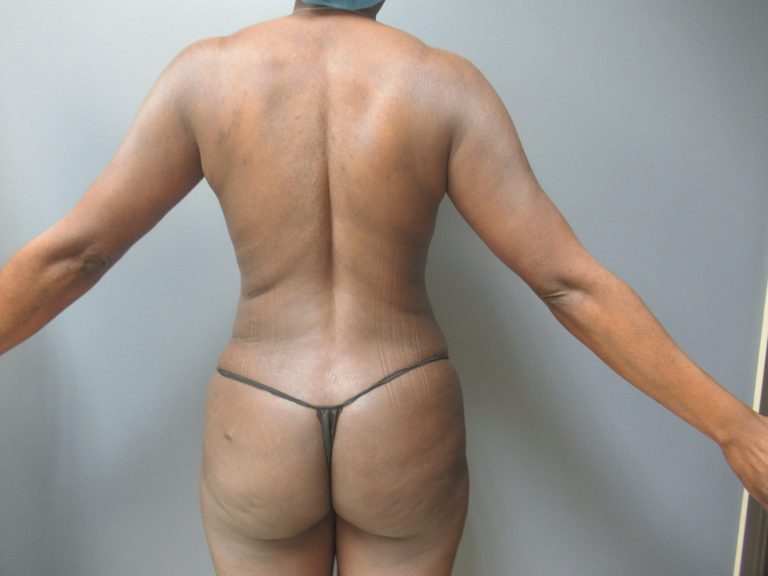
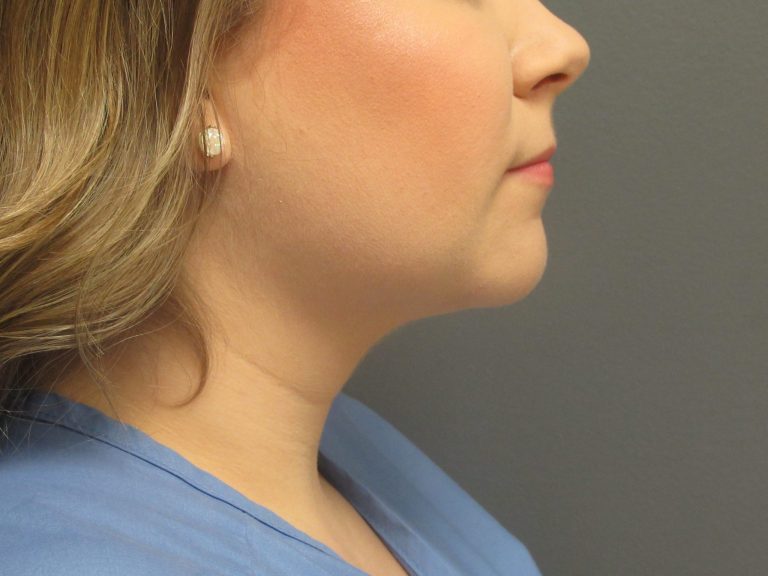
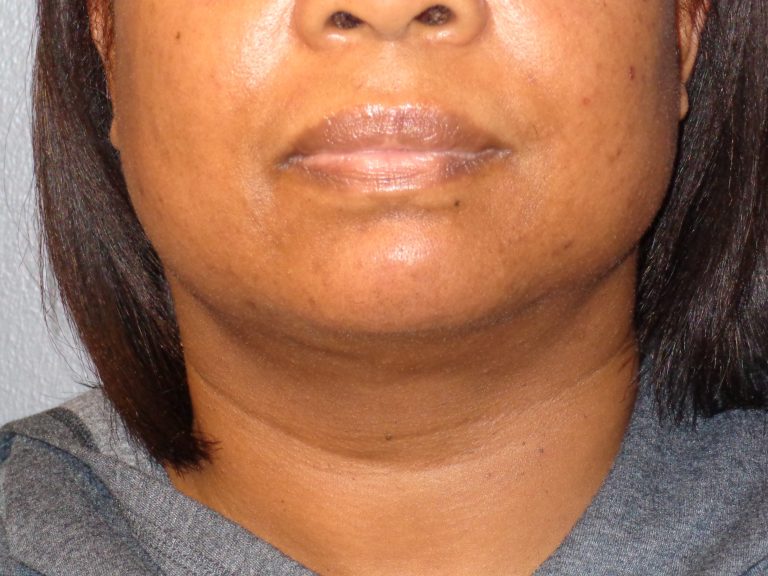
Anyone considering body contouring usually starts with a simple question: what will I look like afterward? In practice, that question opens into several more. How much change is realistic? How long until swelling settles? Will clothes fit better right away, or only after a few months? And perhaps the most important question of all, how do you separate polished marketing images from the lived reality of recovery?
For patients exploring Liposuction Farmington Hills options, the before and after conversation is often where expectations are either built carefully or distorted badly. The difference matters. Good outcomes are not just about fat removal. They depend on candidate selection, skin quality, treatment planning, recovery habits, and the patience to let the body heal on its own timeline.
Liposuction can create meaningful improvement. It can sharpen a waistline, reduce fullness under the chin, slim the outer thighs, or flatten stubborn pockets in the lower abdomen that have ignored years of disciplined eating and exercise. What it does not do is function like a weight-loss procedure or a shortcut to a completely different body type. When people understand that distinction early, they tend to be far happier with the process and the result.
What liposuction actually changes
Liposuction removes localized fat deposits from targeted areas. That sounds straightforward, but it helps to be specific. The procedure is best suited for contour concerns, not overall obesity, and not skin tightening as a primary goal. A patient may be close to their stable weight, feel healthy, and still be frustrated by persistent fullness at the flanks, lower abdomen, arms, or inner thighs. That is where liposuction tends to shine.
The best before and after transformations often come from relatively focused treatment. A patient with good skin tone and a modest but stubborn fat pocket may see a dramatic shift in silhouette, even if the scale barely moves. On the other hand, a patient hoping to lose 40 pounds through liposuction or expecting loose abdominal skin to disappear is likely to be disappointed.
That distinction is especially important when reviewing before and after photos. Some of the most impressive changes are not the largest volume removals. They are the cases where the anatomy, the plan, and the technique lined up well. A slightly narrower waist, smoother hip line, or more defined jaw can have an outsized impact on proportion.
Before surgery, the real work is expectation-setting
A careful consultation should feel more like an honest planning session than a sales pitch. This is the stage where an experienced surgeon evaluates not just where fat is sitting, but how the skin behaves, whether there is muscle separation, whether asymmetry already exists, and whether another procedure may be more appropriate.
Patients are often surprised by how often skin enters the conversation. Fat can be removed, but skin has to contract afterward. A 32-year-old with good elasticity may bounce back nicely after abdominal liposuction. A 58-year-old with sun-damaged, thinner skin and a history of weight fluctuations may still improve, but not with the same crispness. The fat layer might become smaller while some looseness remains. That is not a failed procedure. It is the biology of tissue quality.
A good consultation also addresses lifestyle honestly. If someone is actively gaining weight, plans to get pregnant soon, or tends to swing up and down 20 pounds at a time, timing matters. Liposuction results hold best when weight is relatively stable. Fat cells removed from the treated area are gone, but the remaining fat cells in the body can still expand with weight gain. That means the contour can soften over time if habits change significantly.
For people looking into Liposuction Farmington Hills practices, this preoperative phase is where quality becomes visible. The right surgeon should be able to explain what can improve, what may not, and how much of the visible change depends on healing rather than the operating room alone.
What “before” really means
The before stage is not just the day photos are taken. It includes the months leading up to surgery. The most satisfied patients tend to arrive at surgery as prepared as possible. They are near their goal weight, have realistic goals, understand recovery, and have arranged time off work and help at home if needed.
There are also practical details that matter more than people expect. Hydration helps. Nicotine avoidance is critical. Certain medications and supplements may need to be stopped, depending on the surgeon’s instructions. Compression garments should be ready beforehand, not ordered after the procedure when swelling has already started. Loose clothing, easy meals, and a recovery space that does not require climbing stairs repeatedly can make the first few days much smoother.
I have seen patients focus heavily on what size they hope to be afterward while barely thinking about recovery logistics. Usually, that is backward. Recovery does not last forever, but it shapes the experience. A well-prepared patient often feels steadier, less anxious, and more able to judge progress without panicking over normal early swelling.
The first after: what you see in the first two weeks
The earliest after photos are often misleading, even when they are technically accurate. Right after liposuction, the treated area is usually swollen, bruised, tender, and sometimes firmer than expected. Many patients look smaller quickly, but they do not yet look finished.
This is where unrealistic expectations can create unnecessary stress. Someone may come out of surgery with a flatter lower abdomen, then look puffier at day five and assume something is wrong. In many cases, nothing is wrong at all. Fluid shifts, inflammation, and compression marks can temporarily blur the contour.
The first week is usually more uncomfortable than painful in the dramatic sense people fear. Soreness often feels like an intense workout layered with bruising. Moving slowly helps. Short walks help. Rest helps too, but complete inactivity does not. Depending on the area treated and the technique used, drainage from incision sites may occur for a short time. That can look alarming if a patient Aesthetic Plastic Surgery & Laser Center Liposuction Farmington HIlls was not warned in advance, but it is often expected.
During this phase, the goals are simple: protect healing, manage swelling, wear compression as instructed, and avoid judging the result too early.
The middle phase, when patience matters most
Around the two- to eight-week mark, many patients hit the emotionally tricky part of recovery. They are no longer in the immediate postoperative haze, but they are also not at their final result. Bruising fades. Tenderness improves. Clothes may fit better. At the same time, swelling can still fluctuate from morning to evening, or from one day to the next depending on salt intake, activity level, menstrual cycle, and individual healing patterns.
This is the period when patients often ask whether unevenness is permanent. Usually, it is too soon to know. Mild lumpiness, temporary firmness, numbness, or patchy swelling can all happen during normal healing. The tissue is remodeling under the surface. That remodeling takes time.
One patient may feel close to normal at three weeks and return to desk work after several days. Another may need more downtime, especially if multiple areas were treated. There is no prize for rushing. Recovery speed varies based on treatment volume, anatomy, age, baseline health, and how reactive the body is to swelling.
A thoughtful surgeon prepares patients for this middle phase because it is where satisfaction can wobble if expectations were oversimplified. The phrase “trust the process” is overused, but in liposuction recovery it contains a real truth. Many good results look incomplete for a while before they come together.
What the final after usually looks like
Final results do not happen overnight. Most patients see meaningful change within the first one to three months, but subtle refinement often continues beyond that. It is common for surgeons to say that the body contour keeps settling for several months, sometimes longer in certain areas.
By the time swelling has mostly resolved, the improvements are usually easier to appreciate in daily life than in a mirror checked obsessively every morning. Pants button without digging at the waist. A fitted dress hangs better over the hips. The profile view looks cleaner. The under-chin area photographs better on video calls. These are the kinds of real-world changes that matter, even if nobody else can identify exactly what changed.
The best before and after results look believable. The person still looks like themselves, only more proportionate or more comfortable in their clothing. Overdone treatment, particularly in the wrong candidate, can create unnatural transitions, contour irregularities, or skin that looks deflated rather than sculpted. Restraint and judgment are part of good surgery.
Areas that tend to respond especially well
Not every body area behaves the same way after liposuction. Some zones are famously gratifying because even modest reduction changes shape clearly. Others are more variable and require nuanced counseling.
The flanks often respond well because reducing fullness there can make the waist look narrower from both the front and the back. The area under the chin also tends to be rewarding in properly selected patients with decent skin elasticity, since a little refinement can make the neck and jawline look much more defined. Outer thighs can improve the line of the hips. The abdomen is often the most requested area, though it is also where unrealistic expectations are most common because people may be dealing with skin laxity or muscle separation, not just fat.
Arms and inner thighs can improve nicely, but these areas also reveal the importance of skin quality. If the skin is thin or loose, reducing fat may help shape but may not create the firm finish some patients imagine.
Why before and after photos deserve a skeptical eye
Before and after galleries can be useful, but they are easy to misread. Lighting, posture, camera angle, distance from the lens, and whether the patient is standing naturally or subtly flexing can change the appearance of results more than most people realize. Timing matters too. A photo taken at six months tells a different story from one taken at three weeks.
There are a few details worth paying attention to when evaluating photos:
- Look for consistency in lighting, stance, clothing, and angle.
- Notice whether the surgeon shows several body types, not only the easiest cases.
- Check whether the results look smooth and proportionate, not just smaller.
- Pay attention to skin quality before surgery, since it heavily influences the after.
- Ask how far out the after photos were taken.
It is also smart to focus less on finding a patient who looks exactly like you and more on finding cases with similar tissue characteristics. Body mass index, age, and height matter, but so do stretch marks, prior pregnancies, fat distribution, and skin elasticity.
The role of body weight, fitness, and long-term maintenance
One of the most common misconceptions is that liposuction replaces the need for healthy habits afterward. It does not. In fact, the people who maintain the most satisfying results tend to already have strong habits before surgery. They use liposuction to fine-tune contour, not to fix an unstable baseline.
A stable weight usually gives the most durable result. If a patient gains a small amount later, the contour may still look good. Significant weight gain, however, can blur the improvement. Weight loss after surgery can also change the result, sometimes positively, sometimes by revealing more looseness in the skin than expected.
Fitness matters too, though not in a simplistic way. Someone does not need to be an athlete to benefit from liposuction. But regular movement, muscle tone, and sensible nutrition generally support better contour and recovery. Strong core musculature, for example, can make abdominal outcomes look cleaner, even though the liposuction itself is targeting fat rather than muscle.
When liposuction alone may not be enough
This is where honest surgical judgment becomes essential. A patient may want liposuction because it sounds less invasive than other procedures, but sometimes another option addresses the actual problem better. If there is substantial loose skin on the abdomen after pregnancies or major weight loss, liposuction alone may reduce fullness while leaving laxity behind. In that case, an abdominoplasty may be the more appropriate recommendation, either alone or combined in a carefully selected plan.
The same logic applies elsewhere. If someone has very mild fullness and good skin, non-surgical approaches might be worth discussing. If someone has extensive laxity in the neck, liposuction alone may not create the definition they imagine. The right operation is the one that matches the anatomy, not the one that sounds easiest on paper.
Patients usually appreciate directness when it is delivered clearly and respectfully. Being told “you are not the ideal liposuction-only candidate” may be disappointing for a moment, but it often prevents months or years of frustration later.
Emotional expectations matter as much as physical ones
Cosmetic procedures are deeply personal. Most people are not doing this casually. They may have felt self-conscious for years about a specific area, avoided certain clothes, or edited photos to hide a profile they disliked. That emotional charge can make the after result feel high stakes.
For that reason, one of the healthiest expectations to have is that liposuction can improve contour, but it does not automatically quiet every insecurity. Most satisfied patients feel more comfortable, more proportional, and less distracted by a stubborn feature. They do not emerge as a different person with a different life. They simply feel more at ease in their body.
That may sound modest, but in real life it is often exactly the point. Small changes can have a broad effect. A patient who no longer changes outfits three times before dinner because every top catches at the waist differently is experiencing a meaningful benefit, even if the objective inch loss sounds minor on paper.
Choosing a surgeon in Farmington Hills with the right lens
When people search for Liposuction Farmington Hills providers, convenience and price often lead the first round of comparisons. Those things matter, but they should not be the deciding factors. A strong consultation, clear safety protocols, well-documented results, and thoughtful follow-up usually tell you more than a promotional discount ever will.
Questions should feel welcome. If a surgeon is experienced, they should be comfortable discussing what happens if swelling lasts longer than expected, how revision decisions are handled, what compression protocol they prefer, and what result they think is realistic in your specific case. Vague reassurance is not enough. Specific guidance is far more valuable.
It also helps to assess whether the surgeon’s aesthetic sense matches your goals. Some patients want subtle refinement. Others want more aggressive contouring. Neither preference is automatically wrong, but alignment matters. The consultation should reveal whether the surgeon understands how you want to look, not just what area you want treated.
A practical way to think about before and after expectations
The most reliable framework is to think in layers rather than in a single dramatic reveal. There is the surgical result, which is what the procedure physically accomplishes. There is the healing result, which depends on swelling, tissue response, compression, and time. Then there is the lifestyle result, which reflects how well the contour is maintained over the months and years that follow.
Patients who do best emotionally usually measure success by more than one marker. They notice shape, fit, comfort, confidence, and proportion. They understand that the final result is not visible on day three, and often not even at week three. They also understand that “after” is not a magazine word. It is a lived experience with stages, uncertainty, and gradual payoff.
If you are considering Liposuction Farmington Hills treatment, expect improvement rather than fantasy, progress rather than instant perfection, and refinement rather than reinvention. Those expectations are not limiting. They are what make a good result easier to recognize when it arrives.
Aesthetic Plastic Surgery & Laser Center, Michelle Hardaway M.D.
27920 Orchard Lake Rd
Farmington Hills, MI 48334
(248) 221-1957
FAQ About Liposuction Farmington Hills
What disqualifies you from getting liposuction in Farmington Hills?
A surgeon may recommend postponing or avoiding liposuction if a health condition, medication, or nicotine use raises the risk of surgery or poor healing. A consultation is needed to assess your medical history and whether the procedure fits your goals.
Can liposuction remove 20 pounds?
Liposuction is a body contouring procedure for localized fat. It is not a weight loss treatment, and a specific number of pounds is not a safe or useful target. The surgeon determines how much can be removed safely for each patient.
What are the risks of liposuction?
Risks include infection, changes in sensation, uneven contours, and complications from anesthesia or blood clots. A plastic surgeon can explain which risks apply to you and what to expect during recovery.