How to Build Confidence Before Liposuction Farmington Hills Surgery
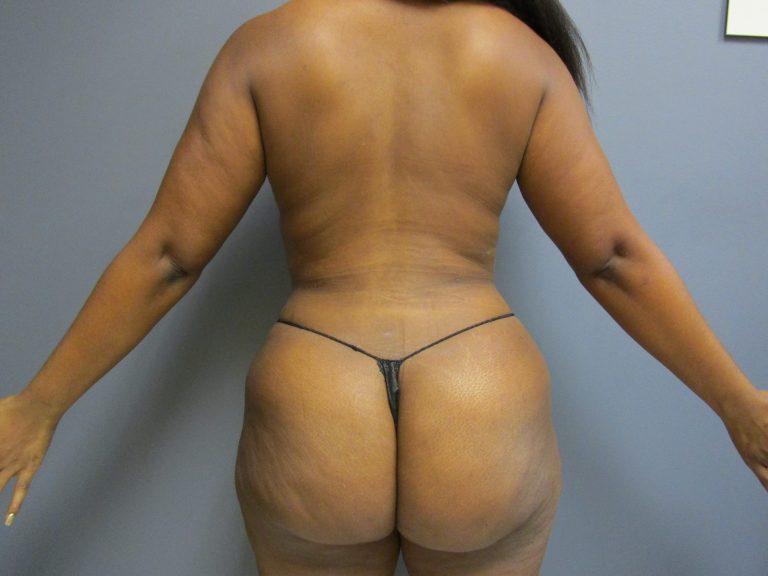
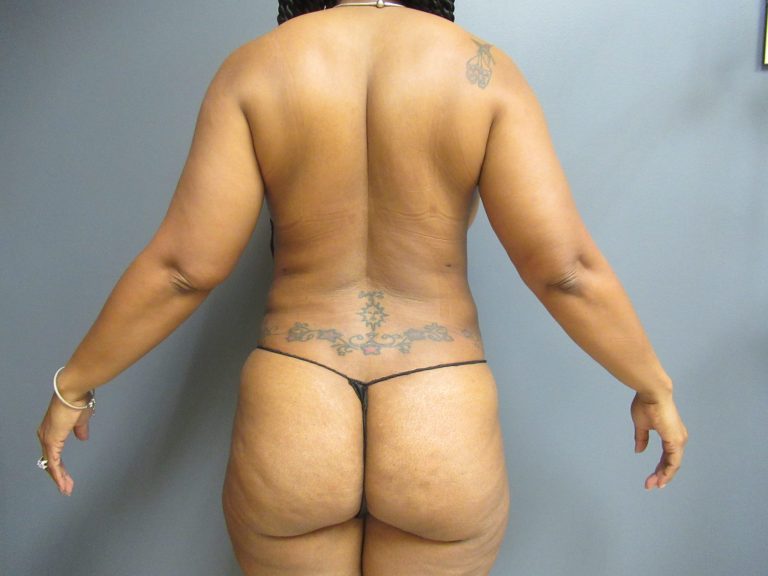
Confidence before surgery rarely appears all at once. Most patients do not wake up one morning feeling perfectly calm, perfectly informed, and perfectly certain about body contouring. More often, confidence is built in layers. It grows when expectations become realistic, when questions get answered clearly, and when a patient starts to feel like an active participant rather than a passive passenger.
That is especially true for liposuction. People often arrive at a consultation with a complicated mix of excitement, self-consciousness, hope, and fear. They may have thought about this for years. They may have hidden the subject from friends or even from a spouse. Some are bothered by fullness along the abdomen or flanks despite steady exercise. Others feel frustrated by areas that never changed after pregnancy or weight loss. The technical side of surgery matters, of course, but emotional preparation matters just as much.
If you are considering Liposuction Farmington Hills treatment, building confidence before the procedure is not about talking yourself into surgery. It is about getting honest enough with yourself that your decision feels grounded. Patients who feel steady before surgery usually do a few things well. They learn what liposuction can and cannot do. They choose their surgeon carefully. They prepare their body and schedule. Most important, they stop measuring success by fantasy and start measuring it by fit, contour, and proportion.
Start with the right definition of success
One of the biggest confidence killers before liposuction is a vague goal. If you walk into the process wanting to "look perfect" or "finally love everything about my body," anxiety tends to rise. Those goals are too broad, and no responsible surgeon can promise them.
A better goal is specific and practical. You may want your lower abdomen to project less in fitted clothing. You may want the fullness at your bra line reduced so tops lie flatter. You may want your waist to look more defined from the front and profile. These are contour goals, and contour goals are where liposuction performs best.
Liposuction is not a weight-loss operation. That point gets repeated often because it matters. Patients sometimes assume the operating room will solve a deeper struggle with the scale, and that misunderstanding creates disappointment before they have even started. In many cases, the amount of fat removed is measured in pounds, or even less, while the visual change can still be meaningful. A small reduction in a stubborn area can make clothes fit better and help the body look more balanced. That is a very different outcome than dramatic total-body transformation.
I have seen patients become visibly more relaxed during consultation once this clicks. They stop chasing an imaginary finish line. Instead, they begin to ask better questions. Will my waist look more defined? How much pinch thickness can realistically be reduced? Will skin tighten enough on its own, or is there a limit? Those questions lead to useful answers, and useful answers build confidence.
Understand why you want the procedure
People sometimes rush past motivation because it feels too personal. It should not. Your reason for surgery shapes your experience before and after it.
Healthy motivation usually sounds calm and consistent. A patient has been bothered by the same area for a long time. The concern persists despite stable habits. They are not trying to rescue a failing relationship, copy a celebrity figure, or erase the emotional impact of a difficult year. They simply want a targeted physical change that aligns with how they already care for themselves.
Less stable motivation tends to sound urgent or externally driven. A patient wants surgery before a reunion in three weeks, or because someone made a cruel comment, or because they think a different body shape will fix confidence in every area of life. Those patients often feel the most anxious because they are asking the procedure to do too much emotional work.
Confidence grows when your why is private, clear, and durable. If your reason still makes sense after the consultation, after hearing the limitations, and after considering recovery honestly, that is a good sign.
Choose a surgeon who lowers your anxiety, not one who markets the hardest
A polished website can start the conversation, but it should never finish it. Real confidence usually develops during the consultation process, when you can assess judgment, communication style, and professionalism in person.
The right surgeon does more than describe the technique. They evaluate whether you are a good candidate, explain where improvement is likely, point out where improvement may be limited, and discuss recovery without minimizing it. They do not seem irritated by questions. They do not pressure you to commit on the spot. They do not promise a result that sounds too good to be true.
In the setting of Liposuction Farmington Hills consultations, patients often compare offices based on price first. Cost matters, but it should not become the whole framework. A low quote can feel reassuring until you realize the consultation felt rushed, the surgeon avoided specifics, or the aftercare plan was vague. On the other side, the highest price does not automatically mean the highest quality. Confidence comes from clarity, not from price alone.
Pay attention to subtleties. Did the surgeon examine you carefully while standing and moving, or did they spend most of the appointment talking in generalities? Did they explain skin quality, fat distribution, and how those factors affect the result? Did they distinguish between what liposuction can address and what may require another approach? Technical skill matters deeply, but trust often begins with communication.
Ask the questions that reveal judgment
Patients sometimes worry about sounding difficult. They should not. Good questions are part of good preparation, and they tell you a great deal about the practice.
Here are a few questions worth asking during a consultation:
- What result is realistic for my body shape and skin quality?
- Where do you expect the strongest improvement, and where are the limits?
- What does the first two weeks of recovery usually feel like for your patients?
- How often do you see patients for follow-up after surgery?
- If healing is slower than expected, how is that managed?
Notice that none of these questions ask for perfection. They ask for judgment. That is what matters. A confident patient is not the one who hears only reassuring words. It is the one who hears honest, detailed answers and still feels comfortable moving forward.
Get clear on candidacy before you get attached to an idea
Not every patient who wants liposuction is an ideal candidate for it. This can feel disappointing, but it is actually one of the healthiest parts of the process. Being told the truth early protects both your outcome and your confidence.
Skin quality is a major factor. If the skin has good elasticity, it may contract reasonably well after fat removal. If there is significant laxity, especially after major weight loss or multiple pregnancies, liposuction alone may leave a patient underwhelmed. They may be thinner in that area but still bothered by looseness. That is not a surgical failure. It is a mismatch between the tool and the problem.
Body weight stability matters too. Patients who are actively gaining and losing weight often feel emotionally unsettled before surgery because they are trying to schedule a body contouring procedure in the middle of a moving target. In most cases, confidence rises when weight has been relatively stable for several months and daily habits are consistent.
There are also medical considerations. Smoking, certain medications, uncontrolled health conditions, and poor recovery support at home can complicate the plan. A thorough surgeon will bring these issues up directly. That conversation may not feel glamorous, but it is where confidence gets real. You want a surgeon who is willing to slow down if needed.
Replace online noise with useful information
Many patients do far too much research, but not enough of the right kind. They spend hours looking at dramatic before-and-after photos, anonymous comments, and influencer recovery diaries that may not reflect typical healing. This often creates a distorted picture. Either the results look impossibly flawless, or the complication stories feel overwhelming.
A better approach is narrower and more practical. Look at examples of patients with body types somewhat similar to your own. Focus on contour changes, not lighting or poses. Ask how long after surgery photos were taken. Early postoperative swelling can last longer than many people expect, and confidence improves when you understand that final definition takes time.
It also helps to treat every recovery story as individual. One patient returns to desk work in a few days and feels fine. Another needs more time because swelling, soreness, and fatigue are more noticeable. Both experiences can be normal. The problem starts when a person assumes someone else's timeline will be their own.
If you notice your anxiety rising with every hour of scrolling, that is useful information. Step back. Ask your surgeon's office for educational materials, healing guidelines, and direct answers specific to your case. Good information calms. Endless information often agitates.
Prepare your body so your mind can settle
People talk about "mental preparation" as if it happens entirely in the head. In practice, physical preparation helps just as much. When a patient knows their house is ready, medications are organized, and time off is planned, they usually feel more emotionally steady.
A rushed setup creates avoidable stress. I have seen patients grow far more nervous in the week before surgery because they had not arranged help with children, had Liposuction Farmington HIlls not filled prescriptions, or had no idea what they would wear home. None of those details are dramatic, but together they shape your sense of control.
A simple preparation checklist can help:
- Arrange transportation and a trusted adult to stay with you if your surgeon recommends it.
- Fill prescriptions early and review all medication instructions carefully.
- Set up a comfortable recovery area with extra pillows, water, loose clothing, and easy meals.
- Clear your calendar for the first phase of recovery rather than assuming you will "push through."
- Follow all preoperative instructions about smoking, alcohol, supplements, and eating or drinking.
Each one of these steps removes friction. Confidence often looks ordinary from the outside. It is built through planning, not pep talks.
Expect emotions to fluctuate before surgery
Even well-prepared patients can feel unsettled a few days before the procedure. That does not always mean they are making a bad decision. It often means the procedure is now real.
It is common to feel alternating waves of calm and nerves. You may feel decisive after your consultation, then unexpectedly anxious when signing consent forms or buying recovery supplies. This emotional swing is normal because surgery carries real vulnerability. You are choosing change, anesthesia, downtime, and temporary dependence on others. Acknowledging that usually helps more than pretending to be fearless.
One patient I recall had wanted abdominal and flank liposuction for nearly four years. She was disciplined, informed, and medically straightforward. Yet the night before surgery she became convinced she should cancel. Not because she had learned anything new, but because the idea of waiting for swelling to resolve suddenly felt overwhelming. We talked through what specifically frightened her. It turned out she was less afraid of surgery than of not recognizing her body during healing. Once she understood that temporary swelling, bruising, and asymmetry are common parts of recovery, her panic eased. She proceeded, healed well, and later said that naming the fear was the turning point.
Confidence is not the absence of nerves. It is the ability to identify what is making you nervous and address it directly.
Separate recovery reality from recovery fantasy
Many people worry intensely about the procedure itself, then give too little attention to recovery. This imbalance can shake confidence later. Surgery is one day. Healing is a process.
After liposuction, you may deal with swelling, bruising, drainage from small incision sites, compression garments, soreness, fatigue, and temporary contour irregularity while tissues settle. Some patients feel surprisingly mobile early on. Others feel stiff and slow for a week or two. Numbness can linger. Firmness under the skin can come and go. These are not glamorous details, but they matter because confidence depends on expecting the normal course of healing.
The mental challenge is often timeline. People want quick reassurance. They check the mirror too soon, compare one side to the other, and assume every lump or puffiness is permanent. In reality, improvement unfolds over weeks and months. Early swelling can hide the result. Compression garments can feel reassuring one day and annoying the next. Progress is rarely linear.
If you prepare for a recovery that has stages rather than a single reveal, you are much less likely to panic when your body looks imperfect in the short term.
Build a support circle that respects your decision
Not everyone needs to know you are having surgery. In fact, oversharing can make some patients less confident, especially if they invite opinions from people who are judgmental, dismissive, or poorly informed.
Choose carefully. One or two supportive people are often more useful than a dozen casual confidants. The best support person is practical, calm, and discreet. They can drive you, pick up supplies, remind you to rest, and avoid making your recovery about their emotions.
Some patients make the mistake of leaning on someone who is unreliable under stress. That can backfire quickly. If your ride tends to run late, forget commitments, or become dramatic during medical events, choose someone else. Surgery is not the time to manage another person's anxiety.
There is also value in protecting your mental space. If someone in your life tends to say things like "you do not need that" or "just lose more Liposuction Farmington HIlls weight," understand that their opinion may reflect their own discomfort, not your reality. You are allowed to make thoughtful choices about your body without conducting a public debate.
Keep your expectations attached to proportion, not perfection
The patients who tend to feel strongest emotionally before surgery are often the ones who understand proportion. They are not chasing a flawless body. They are looking for better balance.
This shift matters because perfection has no endpoint. If your goal is absolute smoothness from every angle, no swelling ever, and complete symmetry under harsh bathroom lighting, confidence will be fragile. Human bodies are not manufactured objects. Even beautiful surgical outcomes still exist on living tissue, with natural variation.
Proportion, by contrast, is achievable and satisfying. Clothes fit better. The waist appears cleaner. The lower abdomen projects less. The silhouette looks more in line with the rest of the body. Those are meaningful wins, and they are much more likely to support long-term satisfaction.
A skilled surgeon can improve shape, but they cannot erase biology, aging, scars, or every irregularity. When patients genuinely accept that before surgery, they tend to recover with much more steadiness.
Use the consultation process to test your own readiness
Sometimes confidence is not built by finding reasons to proceed. Sometimes it is built by realizing you are not ready yet, and allowing that to be okay.
If you feel chronically rushed, deeply conflicted, medically unprepared, or unable to take recovery seriously, postponing can be the smartest move. That decision is not failure. It is judgment. The same is true if you are pursuing surgery during a period of emotional upheaval, active body-image distress, or major life instability. Liposuction can be a thoughtful, rewarding procedure, but it should not be used as a substitute for stability.
Readiness usually feels quieter than excitement. It sounds like this: I understand the trade-offs. I know what the procedure can likely improve. I have planned for downtime. I trust the surgeon. I still want this.
That is the kind of confidence worth waiting for.
The final stretch before your surgery date
As the procedure approaches, focus on routine rather than rumination. Follow instructions carefully. Sleep as well as you can. Eat normally unless told otherwise. Keep your questions in one place and ask them. Do not chase reassurance from ten different corners of the internet. At that stage, clarity helps more than volume.
If you are pursuing Liposuction Farmington Hills surgery, the strongest confidence will come from a combination of good medical guidance, honest self-assessment, and practical preparation. Not from hype. Not from pressure. Not from pretending surgery is casual.
When patients feel calm before liposuction, it is usually because they have done the work that calm requires. They understand the goal. They trust the plan. They know recovery will ask something of them. And they have decided, with open eyes, that the likely benefit is worth it.
That kind of confidence is not flashy. It is solid. And in surgery, solid is what you want.
Aesthetic Plastic Surgery & Laser Center, Michelle Hardaway M.D.
27920 Orchard Lake Rd
Farmington Hills, MI 48334
(248) 221-1957
FAQ About Liposuction Farmington Hills
What disqualifies you from getting liposuction in Farmington Hills?
A surgeon may recommend postponing or avoiding liposuction if a health condition, medication, or nicotine use raises the risk of surgery or poor healing. A consultation is needed to assess your medical history and whether the procedure fits your goals.
Can liposuction remove 20 pounds?
Liposuction is a body contouring procedure for localized fat. It is not a weight loss treatment, and a specific number of pounds is not a safe or useful target. The surgeon determines how much can be removed safely for each patient.
What are the risks of liposuction?
Risks include infection, changes in sensation, uneven contours, and complications from anesthesia or blood clots. A plastic surgeon can explain which risks apply to you and what to expect during recovery.